

When it comes to designing and constructing staircases, glass stair railings have emerged as a popular choice due to their sleek and modern aesthetic, providing an unobstructed view while maintaining safety. As a leading supplier of glass stair railings, we often receive inquiries about the heat resistance of these elegant fixtures. In this blog post, we will delve into the science behind the heat resistance of glass stair railings, exploring the factors that influence it and the implications for various applications.
Understanding the Basics of Glass Heat Resistance
Glass is a versatile material with a wide range of properties, and its heat resistance is one of the key factors to consider when using it in stair railings. The heat resistance of glass is primarily determined by its composition and manufacturing process. Different types of glass have different melting points and thermal expansion coefficients, which affect how they respond to heat.
Types of Glass Used in Stair Railings
The most common types of glass used in stair railings are tempered glass and laminated glass.
- Tempered Glass: Tempered glass is a type of safety glass that is heat-treated to increase its strength and resistance to thermal stress. During the tempering process, the glass is heated to a high temperature and then rapidly cooled, creating a state of compression on the surface and tension in the interior. This process makes tempered glass up to four times stronger than regular annealed glass and more resistant to breakage. Tempered glass also has a higher heat resistance compared to annealed glass, with a typical maximum operating temperature of around 250°C (482°F).
- Laminated Glass: Laminated glass consists of two or more layers of glass bonded together with a polyvinyl butyral (PVB) interlayer. The PVB interlayer provides additional strength and safety, as it holds the glass fragments together in the event of breakage. Laminated glass also offers good heat resistance, as the PVB interlayer helps to insulate the glass and reduce the transfer of heat. The heat resistance of laminated glass depends on the type of glass used and the thickness of the PVB interlayer, but it can typically withstand temperatures up to 120°C (248°F).
Factors Affecting Heat Resistance
In addition to the type of glass, several other factors can affect the heat resistance of glass stair railings.
- Thickness: Thicker glass generally has better heat resistance than thinner glass, as it takes longer for heat to penetrate through the material. However, increasing the thickness of the glass also increases its weight and cost, so a balance needs to be struck between heat resistance and practicality.
- Coating: Some glass stair railings are coated with a special film or coating to enhance their heat resistance. These coatings can reflect or absorb infrared radiation, reducing the amount of heat that is transferred through the glass. Coated glass can also provide additional benefits such as improved energy efficiency and UV protection.
- Installation: The way in which the glass stair railing is installed can also affect its heat resistance. Proper installation techniques, such as using heat-resistant gaskets and seals, can help to prevent heat transfer and ensure the long-term performance of the railing.
Applications and Considerations
The heat resistance of glass stair railings is an important consideration in various applications, especially in areas where the railing may be exposed to high temperatures.
Indoor Applications
In indoor settings, such as residential homes and commercial buildings, the heat resistance of glass stair railings is typically not a major concern. The ambient temperature in these environments is usually well within the operating range of tempered or laminated glass, and there is little risk of the railing being exposed to extreme heat. However, it is still important to choose the appropriate type and thickness of glass based on the specific requirements of the project.
Outdoor Applications
Outdoor applications, such as balconies and terraces, present a greater challenge in terms of heat resistance. The railing may be exposed to direct sunlight, which can cause the glass to heat up significantly. In addition, outdoor environments are more likely to experience temperature fluctuations, which can put additional stress on the glass. When selecting glass stair railings for outdoor use, it is important to choose a type of glass with a high heat resistance and to consider additional measures such as shading or ventilation to reduce the temperature of the railing.
Near Heat Sources
In some cases, glass stair railings may be installed near heat sources such as fireplaces, stoves, or heaters. In these situations, it is crucial to ensure that the glass has sufficient heat resistance to withstand the elevated temperatures. Tempered glass is generally a good choice for these applications, as it can withstand higher temperatures than laminated glass. However, it is still important to follow the manufacturer's recommendations and to provide adequate clearance between the glass and the heat source to prevent damage.
Our Product Offerings
As a trusted supplier of glass stair railings, we offer a wide range of products that are designed to meet the highest standards of quality and performance. Our glass stair railings are available in various types, including tempered glass and laminated glass, and can be customized to fit your specific requirements.
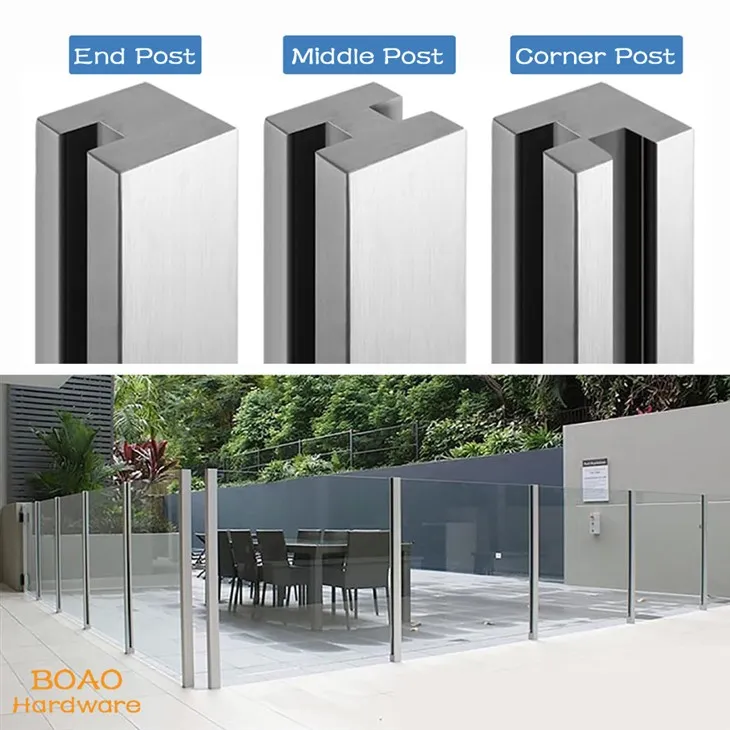
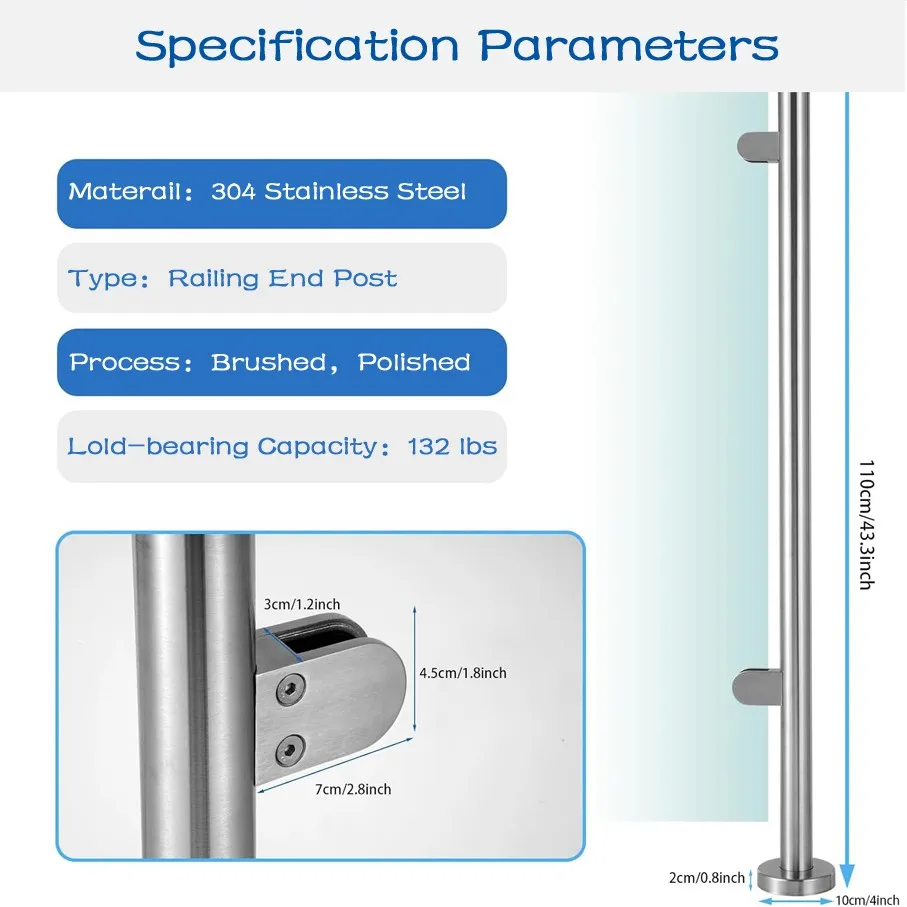
- Glass Stair Railing Post System with Clamps: Our glass stair railing post system with clamps is a popular choice for both indoor and outdoor applications. The system features a sturdy post design and adjustable clamps that allow for easy installation and adjustment of the glass panels. The clamps are made of high-quality materials and are designed to provide a secure and reliable hold on the glass.
- Glass Staircase Handrail Balusters with Glass Clamps: Our glass staircase handrail balusters with glass clamps are a stylish and modern option for staircases. The balusters are made of durable materials and are designed to support the glass panels and handrail. The glass clamps are adjustable and can be used to secure the glass panels in place, providing a clean and seamless look.
- Heavy Duty Glass Railing Post with Spigots Slots: Our heavy duty glass railing post with spigots slots is a robust and reliable option for high-traffic areas. The post is made of thick-walled steel and is designed to provide maximum support and stability for the glass panels. The spigots slots allow for easy installation of the glass panels, and the post can be customized to fit your specific requirements.
Contact Us for Your Glass Stair Railing Needs
If you are interested in learning more about the heat resistance of our glass stair railings or would like to discuss your specific project requirements, please do not hesitate to contact us. Our team of experts is available to provide you with detailed information and guidance to help you make the right choice for your project. Whether you are a homeowner, architect, or contractor, we are committed to providing you with the highest quality products and services at competitive prices.
References
- ASTM International. (2021). Standard Specification for Heat-Treated Flat Glass for Safety - Certified Tempered and Heat-Strengthened Glass. ASTM C1048-21.
- Fenestration and Glazing Industry Alliance. (n.d.). Glass Performance. Retrieved from [website URL]
- National Fire Protection Association. (2021). NFPA 255: Standard Method of Test of Surface Burning Characteristics of Building Materials.