

Removing an angled shower grab bar can potentially damage your shower wall, depending on several factors. As a supplier of angled shower grab bars, I've encountered numerous customers with concerns about this very issue. In this blog post, I'll explore the possible scenarios of damage, how to minimize it, and offer some insights into the installation and removal process.
Factors Affecting Wall Damage During Removal
1. Mounting Method
The way the grab bar was installed is a critical factor. There are generally two common mounting methods: adhesive - based and screw - based.
- Adhesive - based Mounting: Adhesive - mounted grab bars are often easier to install and are suitable for surfaces where drilling is not an option, like some types of tile or fiberglass. However, when it comes to removal, the adhesive can be stubborn. If the adhesive is of high - quality and has fully cured, removing the grab bar may pull off a layer of the wall surface. For example, on a fiberglass shower wall, the adhesive might tear the fiberglass coating, leaving an ugly and potentially unsafe blemish.
- Screw - based Mounting: Screw - mounted grab bars provide a more secure hold. But the removal process involves unscrewing them from the wall. This can cause damage if the screws are stuck or if the wall material is brittle. For instance, in a tile - walled shower, excessive force while removing the screws can crack the tiles. If the wall is made of drywall, the holes left behind after screw removal can be large and may require significant patching.
2. Wall Material
Different wall materials respond differently to grab bar removal.

- Tile Walls: Tiles are a popular choice for shower walls due to their water - resistance. However, they are also fragile. Removing a grab bar from a tile wall can crack or chip the tiles, especially if the grab bar was installed using screws. The vibration and force applied during the removal process can cause the grout to loosen, leading to further problems down the line.
- Fiberglass Walls: Fiberglass walls are lightweight and often used in pre - fabricated showers. As mentioned earlier, adhesive - based grab bars can damage the fiberglass coating. Additionally, if screws were used, the holes can cause the fiberglass to weaken and may even lead to small cracks.
- Drywall Walls: Drywall is a common interior wall material. When a grab bar is removed from a drywall wall, the holes left by the screws can be quite large. The drywall may also be damaged around the holes, especially if the grab bar has been in place for a long time and the weight has caused the drywall to sag or break around the mounting points.
3. Age and Condition of the Grab Bar and Wall
An older grab bar may have been exposed to more wear and tear, which can make removal more difficult. Rust or corrosion on the screws of a screw - mounted grab bar can cause them to seize, making it necessary to use more force to remove them. Similarly, if the wall has been damaged or weakened over time, the removal of the grab bar can exacerbate the existing problems.
Minimizing Wall Damage During Removal
1. Preparation
Before starting the removal process, gather the necessary tools. For a screw - mounted grab bar, you'll need a screwdriver or a drill with the appropriate bit. For an adhesive - mounted grab bar, you may need a heat gun to soften the adhesive. It's also a good idea to have some protective materials, such as a drop cloth, to catch any debris that may fall during the removal process.
2. Screw - Mounted Grab Bars
If you're dealing with a screw - mounted grab bar, start by carefully unscrewing the screws. If a screw is stuck, try using a penetrating oil to loosen it. Apply the oil to the screw and let it sit for a few minutes before attempting to unscrew it again. If the screw still won't budge, you may need to drill it out. However, this should be done with extreme caution to avoid damaging the wall further.
3. Adhesive - Mounted Grab Bars
For adhesive - mounted grab bars, use a heat gun to heat the adhesive. The heat will soften the adhesive, making it easier to remove the grab bar. Hold the heat gun about 2 - 3 inches away from the grab bar and move it back and forth evenly. Once the adhesive is soft, gently pry the grab bar off the wall using a putty knife or a similar tool.
After - removal Wall Repairs
After removing the grab bar, you'll need to repair any damage to the wall.
- Tile Walls: If a tile is cracked or chipped, you may need to replace it. This involves removing the damaged tile, cleaning the area, and installing a new tile. You'll also need to re - grout the area to make it look seamless.
- Fiberglass Walls: For minor damage to the fiberglass coating, you can use a fiberglass repair kit. These kits usually come with a resin and a hardener that can be mixed together and applied to the damaged area.
- Drywall Walls: To repair the holes left by the screws, you can use a drywall patch kit. Cut a piece of drywall patch to fit the hole, apply joint compound to the edges of the hole, and press the patch into place. Then, apply another layer of joint compound over the patch and sand it smooth once it's dry.
Other Bathroom Grab Bar Options
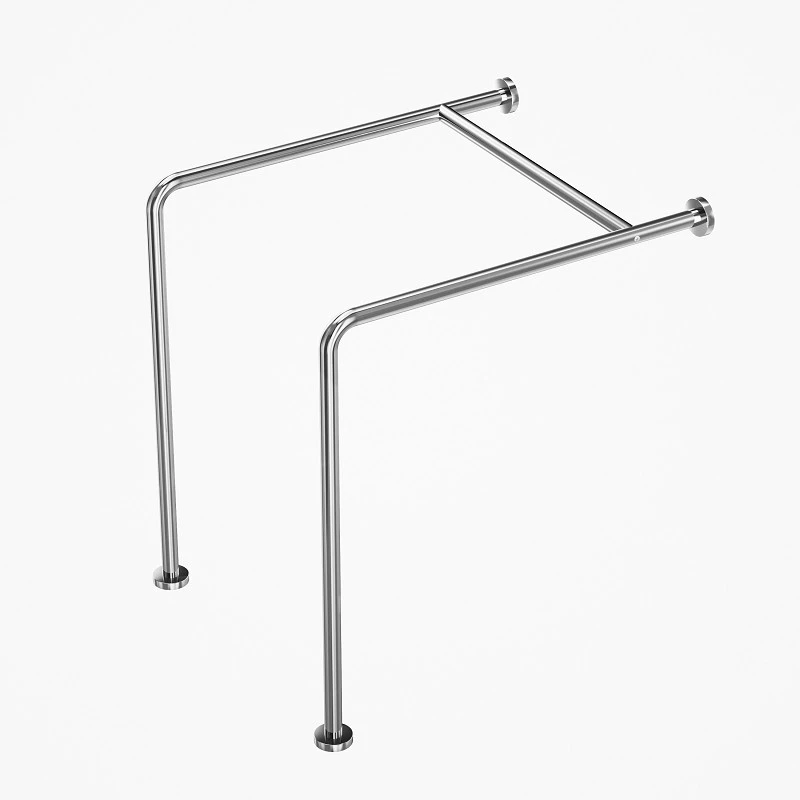
If you're considering replacing the angled shower grab bar or looking for other bathroom safety solutions, we also offer a range of products. For example, our Floor - standing Curved Toilet Grab Bar provides additional support near the toilet. It's freestanding, so there's no need to drill into the wall, which can be a great option if you're worried about wall damage.
Our Safety Toilet Support Handle is another useful product. It's designed to be easily installed and provides a stable grip for those who need assistance getting on and off the toilet.
For more comprehensive support, our L - Shaped Toilet Handicap Grab Bars offer multiple points of support and are suitable for users with different needs.
Contact for Purchase and Consultation
If you're interested in our angled shower grab bars or any of our other bathroom assistive devices, we're here to help. Whether you have questions about installation, removal, or product specifications, our team of experts is ready to provide you with the information you need. We can also offer guidance on choosing the right product for your specific bathroom and needs. Don't hesitate to reach out to us for a consultation and to discuss your purchasing options.
References
- "Bathroom Safety: Grab Bars and Rails" - Consumer Reports
- "Installation and Removal Guide for Bathroom Grab Bars" - Home Improvement Association