

Hey there! As a supplier of adjustable shower grab bars, I often get asked about the materials these handy bathroom safety devices are made of. So, I thought I'd write this blog to share all the deets on the different materials used in making adjustable shower grab bars.
Stainless Steel
One of the most popular materials for adjustable shower grab bars is stainless steel. It's a real workhorse in the world of grab bars, and for good reason. Stainless steel is incredibly durable. It can withstand the constant moisture and humidity in the shower without rusting or corroding. This means it'll last for years, providing a reliable support for anyone using the shower.
Another great thing about stainless steel is its strength. It can handle a significant amount of weight, which is crucial for a grab bar. Whether you're using it to steady yourself while getting in and out of the shower or for extra support while standing, stainless steel can take the pressure.
In terms of appearance, stainless steel has a sleek and modern look. It can fit in with almost any bathroom decor, whether it's a contemporary or a more traditional style. Plus, it's easy to clean. A simple wipe with a damp cloth is usually enough to keep it looking shiny and new.
If you're interested in a high - quality stainless - steel adjustable shower grab bar, you might also want to check out our 135° Wall - Mounted Bathtub Grab Bars. They offer great support and have that classic stainless - steel look.
Aluminum
Aluminum is another material commonly used in adjustable shower grab bars. It's lightweight, which makes it easy to handle during installation. This is a big plus if you're planning to install the grab bar yourself. You won't have to struggle with a heavy piece of equipment.
Despite its light weight, aluminum is still quite strong. It can provide reliable support for users. And like stainless steel, it's resistant to corrosion. This is because aluminum forms a thin oxide layer on its surface when exposed to air, which protects it from rust and other forms of damage.
Aluminum grab bars also come in a variety of finishes. You can find them in brushed, polished, or powder - coated finishes. This allows you to choose a look that matches your bathroom's aesthetic.
If you're looking for an assistive bar made of aluminum, our Support Assist Bar for Disabled could be a great option. It's designed to provide maximum support while being made of a lightweight and durable material.
Plastic
Plastic grab bars are a more budget - friendly option. They're often made from high - density polyethylene (HDPE) or polyvinyl chloride (PVC). These plastics are known for their durability and resistance to water.
One of the advantages of plastic grab bars is their softness. They can be more comfortable to hold than metal grab bars, especially for people with sensitive hands or arthritis. Plastic is also a good insulator, so it won't feel cold to the touch like metal does.
However, plastic grab bars may not be as strong as metal ones. They have a lower weight - bearing capacity, so they might not be suitable for heavy - duty use. But for lighter users or as a secondary support, they can be a great choice.
Chrome - Plated Metals
Chrome - plated metals, usually steel or brass, are also used in making adjustable shower grab bars. Chrome plating gives the grab bar a shiny and attractive finish. It has a luxurious look that can elevate the style of any bathroom.
The base metal provides the strength, while the chrome plating adds a layer of protection against corrosion. Chrome is also very easy to clean and maintain. It resists stains and fingerprints, so it'll keep looking good with minimal effort.
But chrome - plated grab bars do require a bit more care compared to stainless steel or aluminum. The chrome plating can chip or scratch over time, which may expose the underlying metal to corrosion. So, it's important to be gentle when using and cleaning them.
Wood
Wooden grab bars are a more unique option. They can add a warm and natural touch to the bathroom. Wood has a soft and comfortable feel, which can be appealing to some users.
However, wood is not as water - resistant as metal or plastic. It needs to be properly treated and sealed to prevent it from warping or rotting in the moist shower environment. Specialized waterproof coatings are usually applied to wooden grab bars to make them suitable for bathroom use.
Wooden grab bars also require regular maintenance. You may need to re - apply the protective coating every so often to keep it in good condition. And like plastic, they may not have the same high weight - bearing capacity as metal grab bars.
Choosing the Right Material for You
When choosing an adjustable shower grab bar, the material is a crucial factor. You need to consider the user's weight and strength requirements. If you're a heavier person or need a grab bar for heavy - duty support, stainless steel or chrome - plated metal might be the best choice.
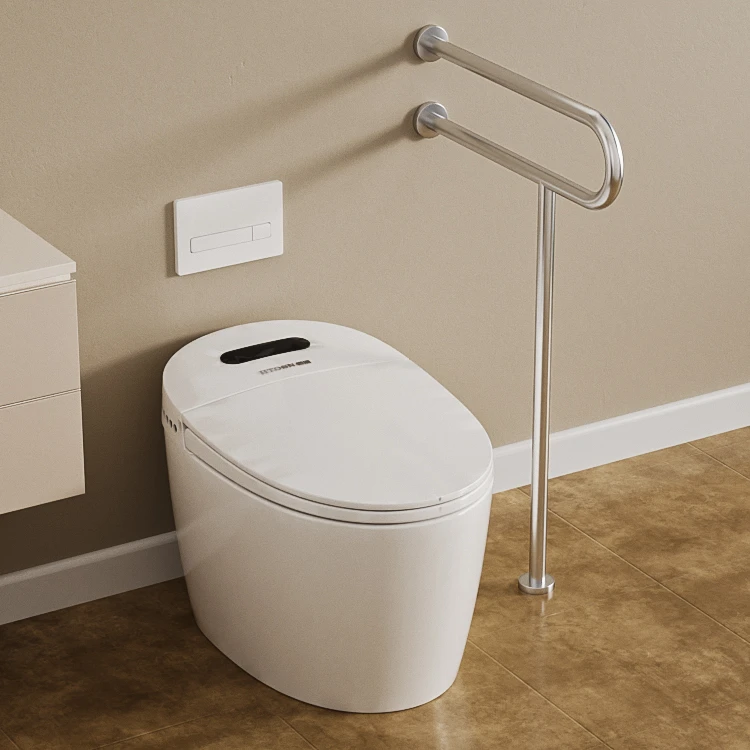

Budget is also an important consideration. Plastic grab bars are the most affordable option, while stainless steel and high - end chrome - plated bars can be more expensive.
The look and style of your bathroom should also influence your decision. If you have a modern bathroom, stainless steel or aluminum with a sleek finish would be a good fit. For a more rustic or natural - looking bathroom, a wooden grab bar could add the perfect touch.
We also offer Wall Hung Bathroom Rails for Toilet, which are made from a variety of materials to suit different needs and preferences.
If you're in the market for adjustable shower grab bars or any other bathroom assistive devices, I'd love to talk to you. Whether you have questions about the materials, installation, or pricing, I'm here to help. Reach out to start a conversation about your specific requirements, and we can work together to find the perfect grab bar for your bathroom.
References
- Bathroom Safety Handbook: A Guide to Assistive Devices
- Material Science for Consumer Products