

Stainless steel is a popular choice for stair railing handrails due to its durability, aesthetic appeal, and, most importantly, its corrosion resistance. As a stair railing handrail supplier, I often encounter customers who are curious about the corrosion resistance of stainless - steel handrails. In this blog, I will delve into what corrosion resistance means in the context of stainless - steel stair railing handrails, factors that affect it, and how to maintain it.
Understanding Corrosion Resistance
Corrosion is a natural process that occurs when a metal reacts with its environment, leading to the deterioration of the metal. For stainless - steel stair railing handrails, corrosion can manifest as rust, pitting, or discoloration, which not only affects the appearance but also the structural integrity of the handrail over time.
The corrosion resistance of stainless steel comes from a thin, invisible, and self - healing oxide layer on its surface. This layer, known as the passive film, is rich in chromium. When stainless steel is exposed to oxygen, chromium in the steel reacts with oxygen to form chromium oxide. This oxide layer acts as a barrier, preventing further oxidation of the underlying metal. As long as this passive film remains intact, the stainless steel will resist corrosion.
Types of Stainless Steel Used in Stair Railing Handrails
There are different grades of stainless steel, each with varying levels of corrosion resistance. The two most common grades used in stair railing handrails are 304 and 316 stainless steel.
- 304 Stainless Steel: This is the most widely used grade of stainless steel. It contains approximately 18% chromium and 8% nickel. 304 stainless steel offers good general corrosion resistance in most indoor environments. It is suitable for residential and commercial buildings where the handrails are not exposed to harsh chemicals or high levels of moisture. For example, in an office building or a home staircase, 304 stainless steel handrails can maintain their appearance and integrity for a long time.
- 316 Stainless Steel: This grade contains additional molybdenum (about 2 - 3%), which enhances its corrosion resistance, especially in chloride - rich environments. Chlorides can be found in saltwater, industrial chemicals, and even in some cleaning agents. Therefore, 316 stainless steel is the preferred choice for outdoor stair railing handrails, especially in coastal areas where the air contains salt particles, or in industrial settings where the handrails may come into contact with chemicals.
Factors Affecting the Corrosion Resistance of Stainless - Steel Stair Railing Handrails
Several factors can influence the corrosion resistance of stainless - steel stair railing handrails:
- Environment: As mentioned earlier, the environment plays a crucial role. Indoor environments with low humidity and no exposure to chemicals are generally less corrosive. In contrast, outdoor environments, especially those near the ocean or industrial areas, can be highly corrosive. For instance, in a coastal city, the salt in the air can break down the passive film on the stainless - steel handrail, leading to corrosion.
- Surface Finish: The surface finish of the stainless - steel handrail can also affect its corrosion resistance. A smooth, polished surface is less likely to trap dirt, moisture, and chemicals, which can cause corrosion. On the other hand, a rough or textured surface may provide more areas for these corrosive agents to accumulate.
- Mechanical Damage: Scratches, dents, or abrasions on the surface of the stainless - steel handrail can damage the passive film. Once the film is broken, the underlying metal is exposed to the environment, increasing the risk of corrosion. For example, if a handrail is accidentally hit by a heavy object, the impact may damage the surface and make it more susceptible to corrosion.
Maintaining the Corrosion Resistance of Stainless - Steel Stair Railing Handrails
To ensure the long - term corrosion resistance of stainless - steel stair railing handrails, proper maintenance is essential:
- Regular Cleaning: Cleaning the handrails regularly can remove dirt, dust, and other contaminants that may cause corrosion. Use a mild detergent and a soft cloth or sponge to clean the surface. Avoid using abrasive cleaners or scrubbers, as they can scratch the surface and damage the passive film.
- Avoid Harsh Chemicals: Some cleaning agents, such as those containing chlorine or acids, can be harmful to stainless steel. When cleaning the handrails, choose cleaning products that are specifically designed for stainless steel.
- Inspect for Damage: Periodically inspect the handrails for any signs of damage, such as scratches or dents. If damage is found, it should be repaired as soon as possible to prevent corrosion from starting.
Our Product Offerings
As a stair railing handrail supplier, we offer a wide range of stainless - steel handrails to meet different customer needs. Our Wall Mount Industrial Style Stairs Handrail is a popular choice for industrial and modern - style buildings. It is made of high - quality stainless steel, providing both durability and aesthetic appeal.
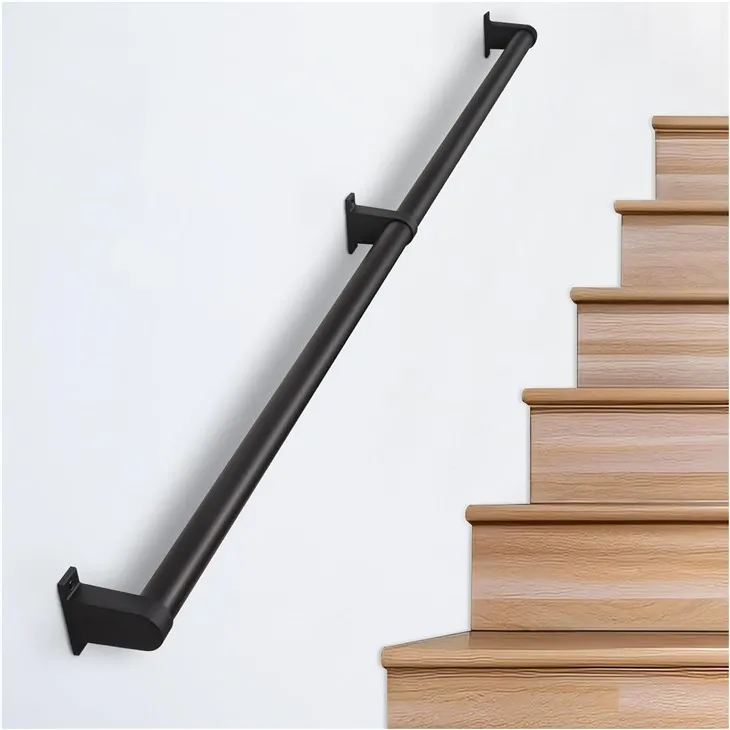

For those looking for a more contemporary look, our Black Aluminum Stairway Railing is an excellent option. Although it is made of aluminum, it is also treated to resist corrosion and is available in a sleek black finish.
Conclusion
The corrosion resistance of stainless - steel stair railing handrails is a result of the unique properties of stainless steel, specifically the passive film formed by chromium oxide. By understanding the factors that affect corrosion resistance and taking proper maintenance measures, customers can ensure that their handrails remain in good condition for many years.
If you are in the market for high - quality stair railing handrails, we are here to help. Whether you need a stainless - steel handrail for an indoor or outdoor application, we have the products and expertise to meet your requirements. Contact us to discuss your project and explore our product offerings. We look forward to working with you to create a safe and stylish staircase for your space.
References
- ASM Handbook Committee. (2004). ASM Handbook, Volume 13A: Corrosion: Fundamentals, Testing, and Protection. ASM International.
- Stainless Steel World Americas. (2019). Stainless Steel Basics. Stainless Steel World Americas Magazine.