

Barrier-free environments are essential for ensuring equal access and opportunities for all individuals, regardless of their physical abilities. Handicapped grab bars play a crucial role in creating such environments by providing support and stability to people with disabilities, the elderly, and others who may have difficulty maintaining balance. As a supplier of handicapped grab bars, I have witnessed firsthand how these simple yet effective devices can significantly enhance safety and independence in various settings.
Understanding the Needs of a Barrier-Free Environment
A barrier-free environment is designed to eliminate or minimize physical, sensory, and communication barriers that may prevent people with disabilities from fully participating in society. This includes accessible transportation, buildings, and public spaces, as well as assistive devices and technologies that enhance mobility and independence. Handicapped grab bars are a fundamental component of barrier-free design, particularly in bathrooms and other areas where slips, trips, and falls are common.
How Handicapped Grab Bars Function
Handicapped grab bars are strategically placed fixtures that provide a secure handhold for individuals who need additional support while standing, sitting, or transferring. They are typically made of durable materials such as stainless steel, aluminum, or plastic and are designed to withstand the weight and pressure of a person using them. Grab bars can be installed on walls, floors, or other surfaces using specialized hardware and are available in various shapes, sizes, and configurations to meet different needs and preferences.
Benefits of Handicapped Grab Bars in a Barrier-Free Environment
- Enhanced Safety: The primary benefit of handicapped grab bars is the increased safety they provide. By offering a stable support point, grab bars help prevent falls and reduce the risk of serious injuries, especially in wet or slippery areas such as bathrooms. This is particularly important for the elderly and those with mobility issues, who are more prone to falls.
- Improved Independence: Grab bars empower individuals with disabilities and the elderly to perform daily activities independently. They can assist with tasks such as getting in and out of the bathtub, using the toilet, and standing up from a seated position. This increased independence can boost self-esteem and improve the overall quality of life for users.
- Accessibility: Handicapped grab bars make spaces more accessible to people with disabilities. They ensure that individuals can navigate bathrooms and other areas safely and comfortably, regardless of their physical limitations. This is in line with the principles of universal design, which aims to create environments that are usable by everyone.
- Peace of Mind: For caregivers and family members, the installation of grab bars provides peace of mind. Knowing that their loved ones have a reliable support system in place reduces anxiety and allows them to feel more confident about their safety.
Types of Handicapped Grab Bars
There are several types of handicapped grab bars available to suit different needs and applications. Some of the most common types include:
- Wall-Mounted Grab Bars: These are the most popular type of grab bars and are installed on the wall using screws or bolts. They come in various lengths and shapes, including straight, curved, and angled, to provide support in different positions. For example, Shower Grab Bars for Elderly are specifically designed to offer stability in the shower, where the risk of slipping is high.
- 135° Wall-Mounted Bathtub Grab Bars: These grab bars are angled at 135 degrees and are ideal for use in bathtubs. They provide a convenient handhold for getting in and out of the tub, as well as for sitting and standing while bathing. You can find a wide selection of 135° Wall-Mounted Bathtub Grab Bars to meet your specific requirements.
- Floor-Standing Grab Bars: These grab bars are not attached to the wall but stand independently on the floor. They are often used in situations where wall mounting is not possible or practical. Floor-standing Curved Toilet Grab Bar is a great example of a floor-standing grab bar that provides support around the toilet.
Installation and Placement of Handicapped Grab Bars
Proper installation and placement of handicapped grab bars are crucial for their effectiveness. Here are some key considerations:
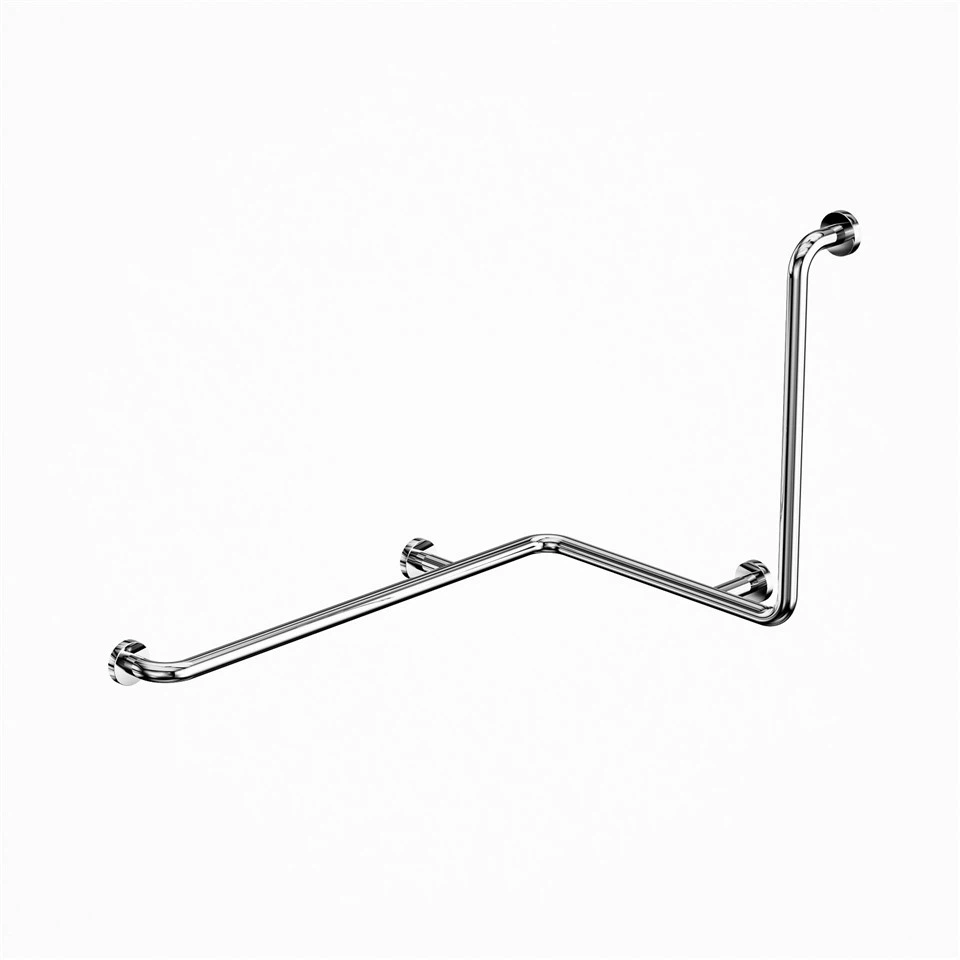

- Location: Grab bars should be installed in areas where they are most needed, such as next to the toilet, in the shower, and near the bathtub. They should be placed at a height and angle that is comfortable and accessible for the user.
- Installation Method: Depending on the type of grab bar and the surface it will be installed on, different installation methods may be required. It is important to follow the manufacturer's instructions carefully to ensure a secure and stable installation.
- Weight Capacity: Make sure the grab bar you choose has a weight capacity that meets the needs of the user. This information is usually provided by the manufacturer.
The Role of Handicapped Grab Bars in Different Settings
- Residential Settings: In homes, handicapped grab bars are essential for ensuring the safety and independence of elderly or disabled family members. They can be installed in bathrooms, hallways, and other areas where support is needed.
- Healthcare Facilities: Hospitals, nursing homes, and rehabilitation centers all require accessible environments to accommodate patients with disabilities. Handicapped grab bars are a standard feature in these settings to prevent falls and assist with patient movement.
- Public Buildings: Hotels, restaurants, and other public buildings are also required to provide accessible facilities under the Americans with Disabilities Act (ADA) and other similar regulations. Handicapped grab bars in public restrooms and other areas help to ensure that everyone can use the facilities safely.
Promoting a Barrier-Free Environment with Handicapped Grab Bars
As a supplier of handicapped grab bars, I am committed to promoting the importance of barrier-free environments. By providing high-quality grab bars and offering expert advice on installation and placement, I aim to help my customers create safe and accessible spaces for everyone. I believe that every individual deserves the right to live independently and with dignity, and handicapped grab bars are a simple yet effective way to make this a reality.
If you are interested in enhancing the safety and accessibility of your space with handicapped grab bars, I invite you to contact me to discuss your specific needs. Our team of professionals is ready to assist you in selecting the right grab bars and ensuring their proper installation. Together, we can make a difference in creating a more inclusive and barrier-free world.
References
- American National Standards Institute (ANSI). (2017). ANSI A117.1-2017: Accessible and Usable Buildings and Facilities.
- Centers for Disease Control and Prevention (CDC). (2023). Falls Prevention.
- World Health Organization (WHO). (2021). World Report on Disability.