

As a supplier of Handicap Safety Grab Bars, I often receive inquiries from customers about the feasibility of installing these essential safety devices on tile walls. This is a crucial question, as many bathrooms and other areas where grab bars are needed are tiled. In this blog post, I'll delve into the details of whether handicap safety grab bars can be installed on tile walls, the necessary considerations, and the installation process.
Can Handicap Safety Grab Bars Be Installed on Tile Walls?
The short answer is yes, handicap safety grab bars can be installed on tile walls. However, it's not as straightforward as installing them on drywall or other surfaces. Tiles are hard and brittle, which means they require special care during the installation process to prevent cracking or damage. But with the right tools, techniques, and materials, a secure and safe installation is entirely possible.
Why Install Grab Bars on Tile Walls?
Before we get into the installation details, let's understand why people often want to install grab bars on tile walls. Tile is a popular choice for bathrooms, showers, and other wet areas because it's waterproof, easy to clean, and aesthetically pleasing. These are also the areas where handicap safety grab bars are most needed to provide support and prevent falls for individuals with mobility issues. By installing grab bars on tile walls, you can enhance the safety of these spaces without compromising on the overall look of the room.
Types of Handicap Safety Grab Bars
There are various types of handicap safety grab bars available in the market, each designed for specific needs and locations. Some of the common types include:
- L-Shaped Toilet Handicap Grab Bars: These grab bars are shaped like an "L" and are typically installed next to the toilet to provide support when sitting down or standing up.
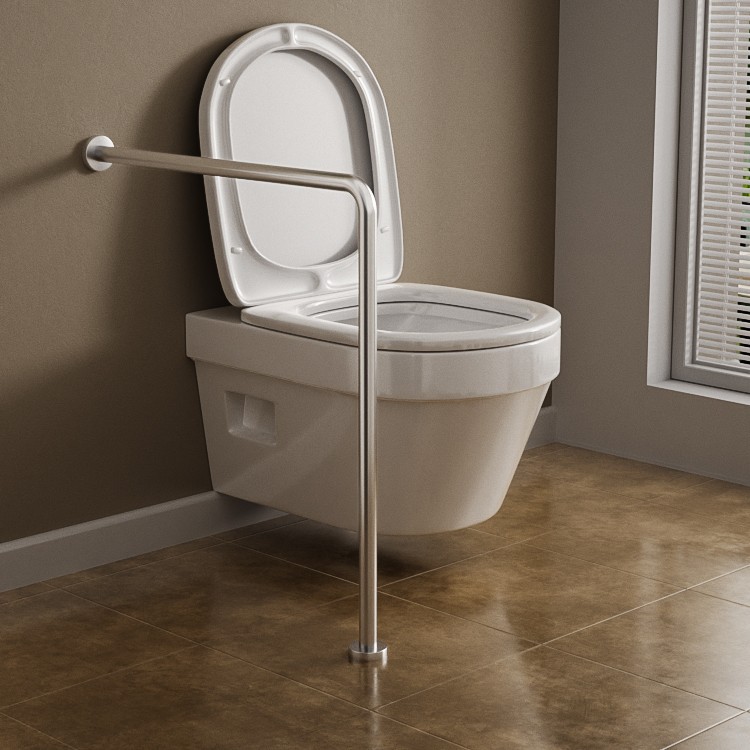
- Floor-standing Curved Toilet Grab Bar: This type of grab bar is not attached to the wall but stands on the floor. It has a curved design that provides support around the toilet area.
- Barrier-Free Toilet Handicap Grab Bars: These grab bars are designed to be installed in a way that they do not obstruct the wheelchair or other mobility devices, making them suitable for barrier-free bathrooms.
Considerations Before Installation
Before you start installing a handicap safety grab bar on a tile wall, there are several important considerations to keep in mind:
- Tile Type and Condition: Different types of tiles have different levels of hardness and brittleness. Ceramic tiles are generally more forgiving than porcelain tiles, which are harder and more prone to cracking. Also, check the condition of the tiles. If they are already cracked or loose, it's best to repair or replace them before installing the grab bar.
- Wall Structure Behind the Tiles: It's essential to know what's behind the tiles. The grab bar needs to be anchored to a solid structure, such as a wall stud or a cement board. Using a stud finder can help you locate the studs behind the tiles.
- Weight Capacity: Make sure the grab bar you choose has a sufficient weight capacity to support the user. The weight capacity should be clearly indicated on the product packaging.
- Installation Location: Determine the best location for the grab bar based on the user's needs and the layout of the room. The grab bar should be installed at a comfortable height and within easy reach.
Tools and Materials Needed
To install a handicap safety grab bar on a tile wall, you'll need the following tools and materials:
- Drill with Tile Bit: A tile bit is designed to drill through tiles without cracking them. Make sure to choose a bit that is the appropriate size for the anchors you'll be using.
- Anchors and Screws: There are different types of anchors available, such as expansion anchors and toggle bolts. Choose the anchors based on the wall structure and the weight capacity of the grab bar.
- Wrench or Screwdriver: You'll need a wrench or screwdriver to tighten the screws and secure the grab bar in place.
- Level: A level is used to ensure that the grab bar is installed straight.
- Pencil: Use a pencil to mark the location for the holes on the tile.
Installation Process
Here is a step-by-step guide on how to install a handicap safety grab bar on a tile wall:
- Mark the Location: Use a pencil to mark the location for the holes on the tile. Make sure to use a level to ensure that the marks are straight. If you're installing the grab bar next to a toilet, the recommended height is around 33 to 36 inches from the floor.
- Drill the Holes: Use a drill with a tile bit to drill the holes at the marked locations. Start the drill at a slow speed and apply gentle pressure to prevent the tile from cracking. Once you've drilled through the tile, switch to a regular drill bit to drill into the wall behind the tile.
- Insert the Anchors: Insert the anchors into the holes. If you're using expansion anchors, tap them gently with a hammer until they are flush with the tile surface.
- Attach the Grab Bar: Place the grab bar over the holes and align it with the anchors. Insert the screws through the holes in the grab bar and into the anchors. Use a wrench or screwdriver to tighten the screws until the grab bar is securely attached to the wall.
- Check the Stability: Once the grab bar is installed, give it a gentle tug to check its stability. If it feels loose, tighten the screws further or consider using different anchors.
Maintenance and Inspection
After installing the grab bar, it's important to perform regular maintenance and inspections to ensure its safety and functionality. Here are some tips:

- Clean the Grab Bar Regularly: Use a mild soap and water to clean the grab bar. Avoid using abrasive cleaners that can damage the finish.
- Check for Loose Screws or Anchors: Periodically check the screws and anchors to make sure they are tight. If you notice any loose screws, tighten them immediately.
- Inspect the Grab Bar for Damage: Look for any signs of damage, such as cracks or bends. If the grab bar is damaged, replace it as soon as possible.
Conclusion
In conclusion, handicap safety grab bars can be installed on tile walls with the right tools, techniques, and materials. By following the steps outlined in this blog post and considering the important factors, you can ensure a secure and safe installation. If you have any questions or need further assistance, feel free to contact us. We are a leading supplier of handicap safety grab bars and can provide you with high-quality products and professional advice. Whether you're a homeowner, a contractor, or a healthcare provider, we're here to help you enhance the safety of your space. Contact us today to discuss your specific needs and start the procurement process.
References
- "Handicap Accessibility Guidelines for Buildings and Facilities." U.S. Access Board.
- "Installation Guide for Handicap Safety Grab Bars." Manufacturer's Manual.